20 September 2026
Mosquito Control in Canada for Seasonal Prevention
Presented by @mosquitoes-spraying-in-canada-it180
How mosquito control matters across Canada
Mosquito Control in Canada is more than a summer comfort issue. It affects time in the yard, park visits, camping trips, and the simple act of opening a patio door in the evening. Mosquitoes in Canada show up in every province and territory, but the level of outdoor biting pressure changes a lot by region, weather, and how much moisture sits around your property.
Many people ask, Are Canadian mosquitoes dangerous? Most bites are an annoyance, but the risk is still real. Some species can carry disease, and the public health concern most Canadians hear about is West Nile virus. That is why Mosquito Canada searches often spike in summer. People want fast relief, but they also want a clear protection plan that fits their home and their city.
A heavy Canada mosquito swarm can turn a backyard dinner into a short event. The problem is usually worse near still water, thick shade, and yards with dense vegetation. In many places, the issue is seasonal, but during a warm stretch after rain, the pressure can feel nonstop.
As mosquito season starts and ends in Canada
Mosquito season Canada usually starts in late spring and wraps up in the start of fall. In most regions, the peak period runs from the end of May through September. Colder provinces often have a shorter window, while parts of southern Ontario and coastal British Columbia can see a later season because temperatures stay mild well into fall.
A simple way to understand seasonal timing is the Mosquito temperature range Celsius. These insects start to move once temperatures warm enough for breeding and feeding, and their numbers grow fast after warm rain. That is why a mild May can still feel quiet, then July all at once brings more bites after several wet days.
A Mosquito map Canada view helps show this pattern. Warmer metro areas, lake regions, river valleys, and coastal zones often stay active https://mosquitoman.ca/top-mosquito-facts/ longer. Northern areas may see shorter bursts, but local conditions still matter. One yard with poor drainage can have more mosquitoes than a neighborhood a few blocks away.
Here is where seasonal mosquito prevention matters. When you begin early, before the seasonal peak, you have a better shot at keeping populations down. Starting in spring is usually simpler than reacting after adults are already swarming your deck and side yard.
What increases mosquito activity in Canadian yards
The top cause is standing water. Even a minor source, like a clogged gutter, a birdbath, or a toy left in the lawn, can turn into a breeding habitat. Mosquitoes need water to complete their life cycle, so standing water removal is one of the simplest ways to reduce pressure.
Humid weather also helps mosquitoes stay active longer. Damp air and warm nights let them survive and feed more often. When rainfall comes in waves, it can create fresh breeding habitat across the whole yard, especially if the soil stays damp and water pools in low spots.
Shade and vegetation matter too. Heavy shrubs, thick ground cover, and tree-heavy lots hold cooler air and give mosquitoes places to rest during the day. That means a yard can look clean and still create strong mosquito activity if the plant growth is heavy and airflow is poor.
In places like Edmonton, this can become obvious after a wet stretch. Mosquito control Edmonton searches often rise after summer rain because yards and parks fill with small pools, and mosquito numbers can jump quickly around drainage edges, lawns, and fence lines. The same pattern shows up in many prairie cities where weather changes fast.
How to prevent mosquitoes at home and around the yard
The best starting point is source reduction. That means taking away what mosquitoes need to breed. Inspect your yard after rain and empty every container that holds water. Flush gutters, tip over wheelbarrows, cover rain barrels, and check planter saucers. A few minutes of standing water removal can help cut down on a lot of future bites.
Use larvicide in spots you cannot drain, like decorative ponds or drainage areas where water lingers. Larval control works before mosquitoes become flying adults, which makes it a practical option for hard-to-fix water sources. Follow the label closely, since product use can differ by location and setting.
Screens are another simple win. Repair torn window screens and make sure patio doors close tightly. Good screen repair keeps mosquitoes out while you sleep and reduces the need for constant indoor repellent. If you spend evenings on a porch or sunroom, screens can change the whole experience.
Watch for common mosquito breeding sites around your property. These often include clogged eavestroughs, children’s toys, flower pots, tarps, low drains, and damp corners near sheds. A yard treatment can help, but if the breeding source stays in place, mosquitoes often return.
Mosquito control devices and products that get used most
Mosquito control devices are common because they seem quick to get running. Some homeowners try catch devices, outdoor fans, foggers, and outdoor lantern-style products. Results vary a lot, and many devices work best as part of a broader protection plan rather than as a stand-alone fix.
Mosquito repellent stays one of the most reliable tools for personal protection. Put it on before you head outside, especially around dusk and dawn when biting can be worse. Many Canadian shoppers look for options with DEET, which is still widely used and recommended for reliable defense when you follow the label directions.
Bug zappers get attention, but they usually do not solve a yard mosquito problem on their own. They may kill some insects, yet mosquitoes often make up a limited share of what gets trapped. If your goal is fewer bites around a deck or patio, cutting standing water and a focused yard plan usually matter more.
Think of devices and products as parts of a system. Repellent protects the person. Screens protect the home. Yard care reduces the local population. Together, they do a better job than one product alone.
Professional mosquito treatment solutions in Canada
If you are looking for Mosquito control near me, you will see a mix of single treatments and recurring plans. A Monthly pest control service can suit homes with a spacious yard, frequent outdoor use, or a known local infestation. These services often include a protective spray, follow-up visits, and advice on limiting breeding sites.
Orkin pest control is among the best-known national options in Canada. Homeowners often weigh the service area, treatment method, and scheduling options before booking. Weedman mosquito control is another name many Canadians recognize, especially in suburbs where lawn and yard care already play a role to the homeowner.
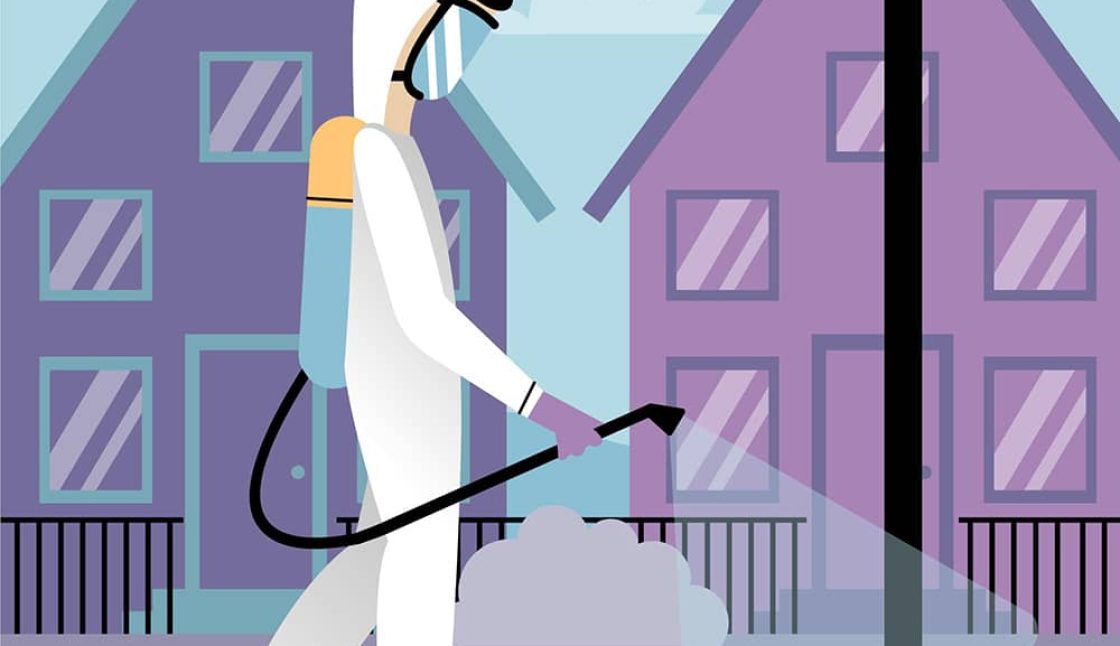
Professional service often centers on a yard treatment with a barrier spray or residual treatment. The goal is to cut adult mosquito activity around the places you use most, such as decks, patios, play areas, and pool edges. A provider may also suggest larval control if there are problem spots nearby.
For families who stay a lot of time outside, a service plan can be simpler than repeated DIY work. It is not a replacement for standing water removal, but it can ease pressure when your yard has strong breeding habitat or when weather keeps the season active for longer than usual.
What mosquito control costs in Canada
The price depends on how big your property is, visit frequency, and how much treatment is needed. Mosquito Hero cost is often talked about online because many people want a quick reference point before booking. The real number can change by region and service package, so it helps to ask about the cost per visit and whether a monthly plan is required.
Mosquito Hero reviews tend to focus on results, response time, and customer service. People also search for the Mosquito Hero phone number when they want a direct quote or service details. That is a good reminder that local pricing matters more than broad claims. Ask what is included, how often they treat, and whether follow-up visits are part of the plan.
Orkin Canada cost usually depends on the property and the treatment schedule. Orkin prices can vary by city and by the amount of mosquito pressure on your property. In general, a larger lot, more outdoor living spaces, or a history of heavy bites can push the price up.
Pest control cost Ontario is a common search because many Ontario homeowners compare recurring mosquito service in Toronto, Mississauga, Ottawa, Hamilton, and nearby areas. Larger metro areas often have higher prices than smaller towns, and recurring monthly service is a common structure for seasonal mosquito treatment. If you compare quotes, ask whether the plan includes the whole season or only limited visits.
Town and area examples to weigh service demand
Mosquito control Edmonton is a useful reference because rainy summers can create sudden spikes in mosquito activity around yards and parks. Following rain, low spots hold water, and that can feed a rapid jump in local infestation. People in Edmonton often notice the difference between a dry week and a wet one almost overnight.
Ontario is another clear example. In larger cities, Pest control cost Ontario can be steeper because labor, travel, and property type all affect the quote. A home in the GTA with a patio, fence line, and shaded yard may need a different plan than a smaller lot in a rural town. That is why recurring monthly service is so common in Ontario during summer.

Homeowners also compare Orkin prices across provinces because service demand changes with climate and season length. In southern Ontario, mosquito pressure often lasts longer than it does in colder parts of the country. Coastal British Columbia can also have a longer mosquito season in some areas because mild conditions extend activity.
People read Mosquito Hero reviews to see how companies handle repeat visits and what results look like in real yards. That matters more than marketing copy. A plan that works in one city may need to be adjusted in another based on rainfall, tree cover, and standing water.
Public guidance and local public health rules
Mosquito control government guidance in Canada usually centers on reducing breeding sites and protecting against bites. Public health units often monitor mosquito surveillance during summer and issue advisories when disease risk changes. This is especially relevant for West Nile virus, since local reports can shift with weather and mosquito counts.
Many cities also run municipal mosquito programs. These programs may treat catch basins, inspect problem areas, or track breeding habitat in public spaces. If your neighborhood has persistent standing water near drains, ditches, or retention ponds, municipal response can help lower the broader mosquito load.
For residents, local advice is helpful. If your health unit is alerting about higher mosquito activity, use insect repellent, wear long-sleeved clothing at dusk, and clear water from your yard more often. Public notices are not just general advice. They are a cue that the area risk is increasing.
How to pick the best mosquito control plan
Begin with home size. A small yard may only need simple source reduction, screen fixes, and repellent. A bigger property with more shrubs, shade, and drainage issues may need a stronger plan. The more space you have, the more places mosquitoes can hide and breed.
Picture your outdoor areas. If you use a deck, pool area, patio, or backyard dining space on most evenings, you may feel mosquito pressure more than a family that stays indoors after sunset. Your approach should fit how you actually use the space.

Then, check insect pressure. If you’re dealing with heavy bites, frequent swarming, or clear breeding spots nearby, a single treatment may not be enough. A repeat approach can help lower activity across the season instead of only after the problem gets bad.
At last, select the best treatment schedule. A few homes get by with a couple of treatments in peak months. Others need a monthly schedule all season long. If you compare local quotes, ask how often the company treats, what the product does, and how they handle follow-up if mosquito activity stays high.
FAQ
How much does monthly mosquito control cost in Canada?
Monthly mosquito control fees in Canada differ by property size, region, and treatment type. A small yard may cost less per visit than a larger lot with heavy shade or standing water. Check for the cost per visit, what the monthly plan includes, and whether the company adjusts treatment if mosquito activity stays high.
What is the best mosquito insecticide for Canada?
The right mosquito insecticide depends on the area you are treating and how you plan to apply it. For personal protection, many Canadians choose a bite repellent with DEET. For yard treatment, products used as a perimeter spray or lasting treatment should match the label and local rules. If you are unsure, contact a licensed provider or your local public health unit for guidance.
How much do exterminators cost in Canada?
Pest control pricing in Canada depends on the pest, the size of the problem, and the service area. Mosquito service is often priced by visit or by seasonal plan, while general pest control may use a different structure. In Ontario and larger metro areas, prices can run higher than in smaller markets.
Do I need mosquito repellent in Canada?
Absolutely, if you spend time outside in mosquito season, repellent is a smart layer of protection. Mosquitoes in Canada are most active from late spring through early fall in many regions, and bites can happen near dusk, near water, or anywhere with shade and humidity. Repellent is especially useful when you cannot control the setting, such as at parks, campsites, or patios.
What is the best mosquito repellent device in Canada?
There is no single device that works best for every yard. Outdoor fans, traps, and other mosquito control devices can help in some settings, but they usually work better alongside source reduction, screens, and repellent. For many homes, the most effective setup is a mix of standing water removal, screen repair, and targeted yard treatment rather than relying on one device.
Mosquito Man Toronto
224 King St W #2401, Toronto, ON M5J 0A6, Canada
+1 647-243-7241
https://mosquitoman.ca/pest-control/toronto/
43.6475305, -79.3873341